

A curriculum delivered entirely in English
Q. What is the purpose of establishing the new department?
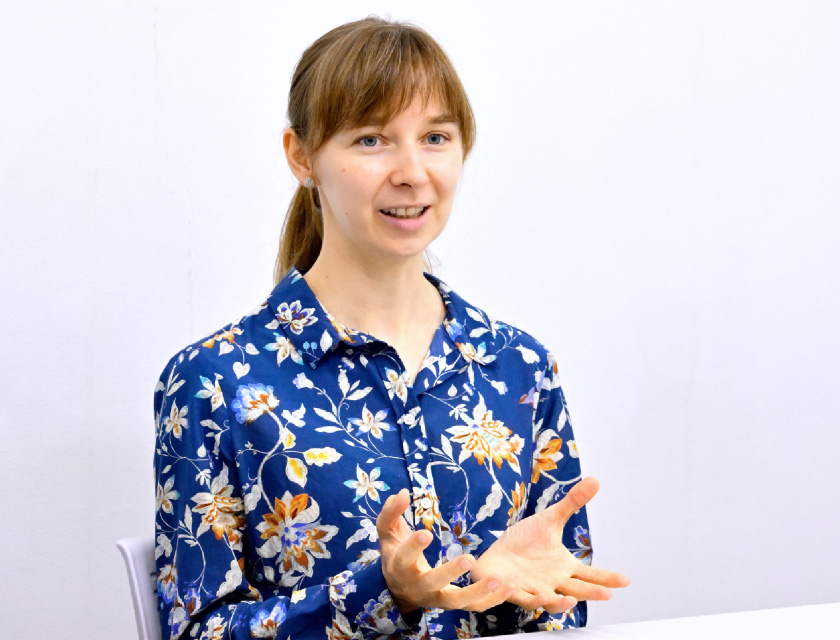
Dr. Shibuya: The Industrial Revolution, which began in the mid-18th century, dramatically reshaped the world and triggered major shifts in academia. Today, emerging fields such as machine learning and AI are driving a similar transformation, making data science an essential tool for modern scientists. For the next generation, a solid understanding of data science will be increasingly vital across disciplines like electrical and electronic engineering, mechanical engineering, chemistry, biology, and beyond. That’s why we’re launching a new department—one designed to equip students with the skills to study technology through the lens of data science.
This initiative aligns with Sophia University’s broader mission to cultivate talent capable of leading the green transformation (GX) toward a sustainable society, leveraging digital technologies such as AI and data science. GX requires not only technical expertise, but also a strong foundation in the social sciences, including economics and law. By taking advantage of our integrated campus in Yotsuya, Tokyo—where all faculties are located—we aim to foster cross-disciplinary learning. Students will be encouraged to take courses outside the Faculty of Science and Technology and engage with peers and professors from diverse academic backgrounds.
Q. Why is the entire curriculum delivered in English?
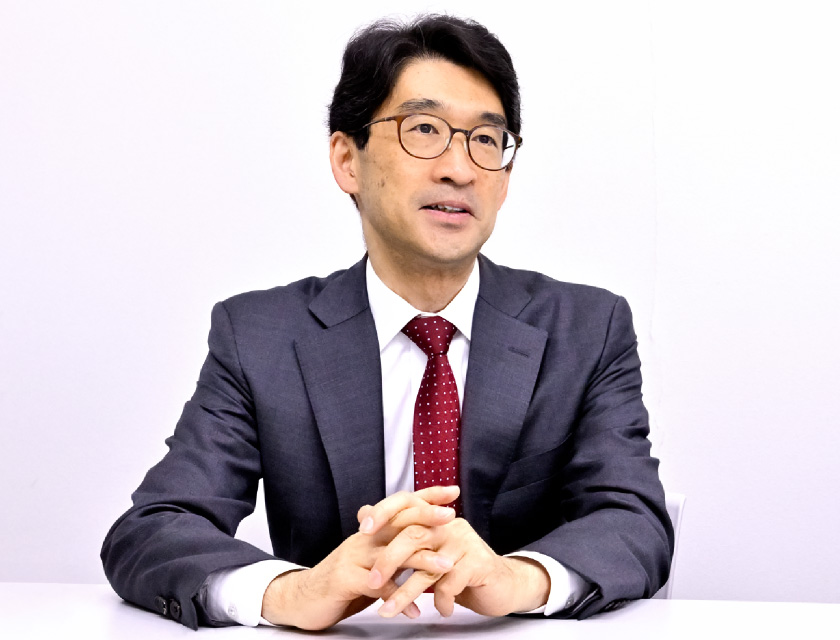
Dr. Shibuya: Sophia University’s educational spirit is rooted in its guiding motto: “For Others, With Others.” Tackling the challenges of green transformation (GX)—an initiative that goes beyond carbon neutrality to promote a sustainable society through resource circulation, biodiversity conservation, and economic growth—requires global collaboration. Nation states and international corporations must work together, and English plays a crucial role in establishing the rules and frameworks needed for such cooperation.
Our goal is to nurture graduates who can thrive in international settings, regardless of nationality. Japanese students, who will make up half of the department’s intake, will benefit from an immersive English-language environment similar to studying abroad. For international students, the program offers pathways to employment in Japan. Those who return to their home countries will carry with them a deep connection to Japan, helping to build a global network of allies. We believe these relationships will yield meaningful results over the next 10, 20, and even 30 years.