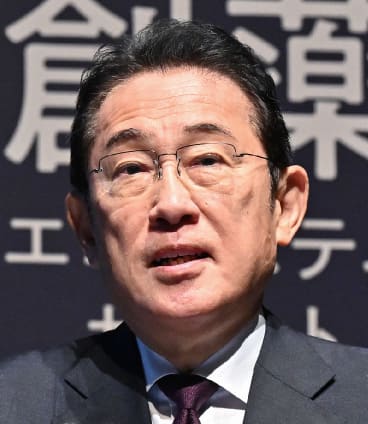
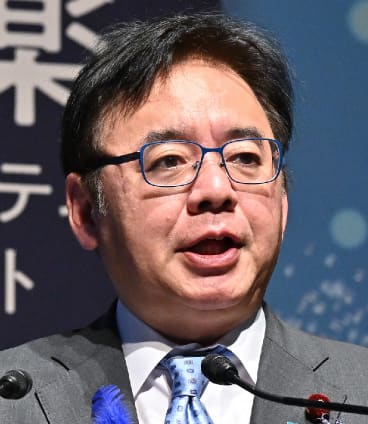
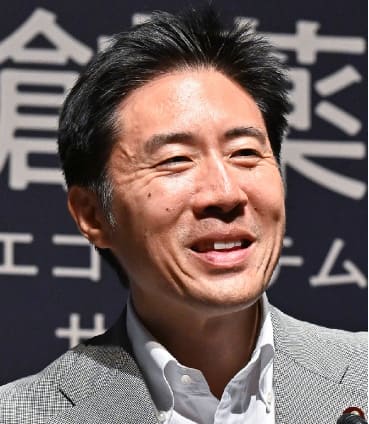
Gaku Hashimoto
Gaku Hashimoto
Former State Minister of Health, Labour and Welfare, Member of the House of Representatives
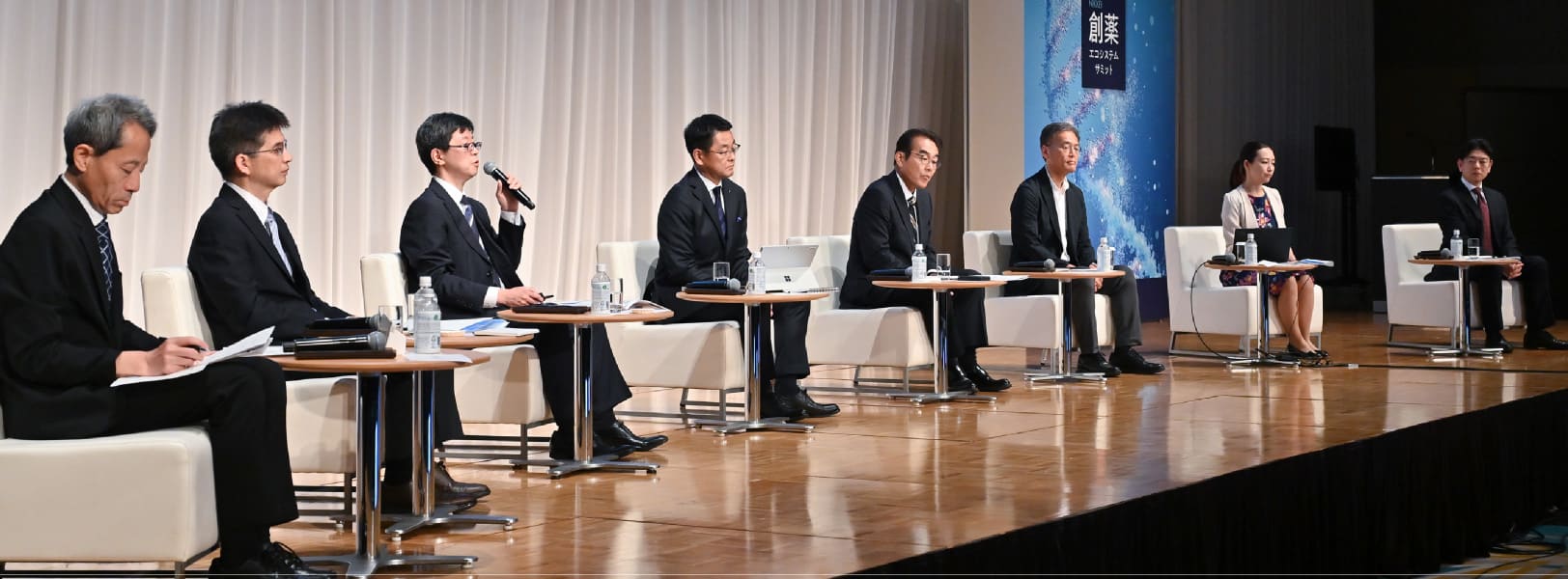
The push toward reform of Japan’s drug pricing system began in 2010 when revolutionary — but costly — new medicines sparked concerns that the NHI system would be unable to cope. COVID-19 revealed further health security issues and showed that the whole ecosystem needed a rethink. Combining profitable drug innovation with preservation of NHI is the goal. Drug discovery is now part of the national growth strategy. A control tower function is needed for a consistent, whole-of-government approach. We must increase the attractiveness of Japan’s patented drug market by boosting its growth rate. Crucially, we also need to explore ways to value innovative drugs better, while maintaining access, so as not to undermine NHI.
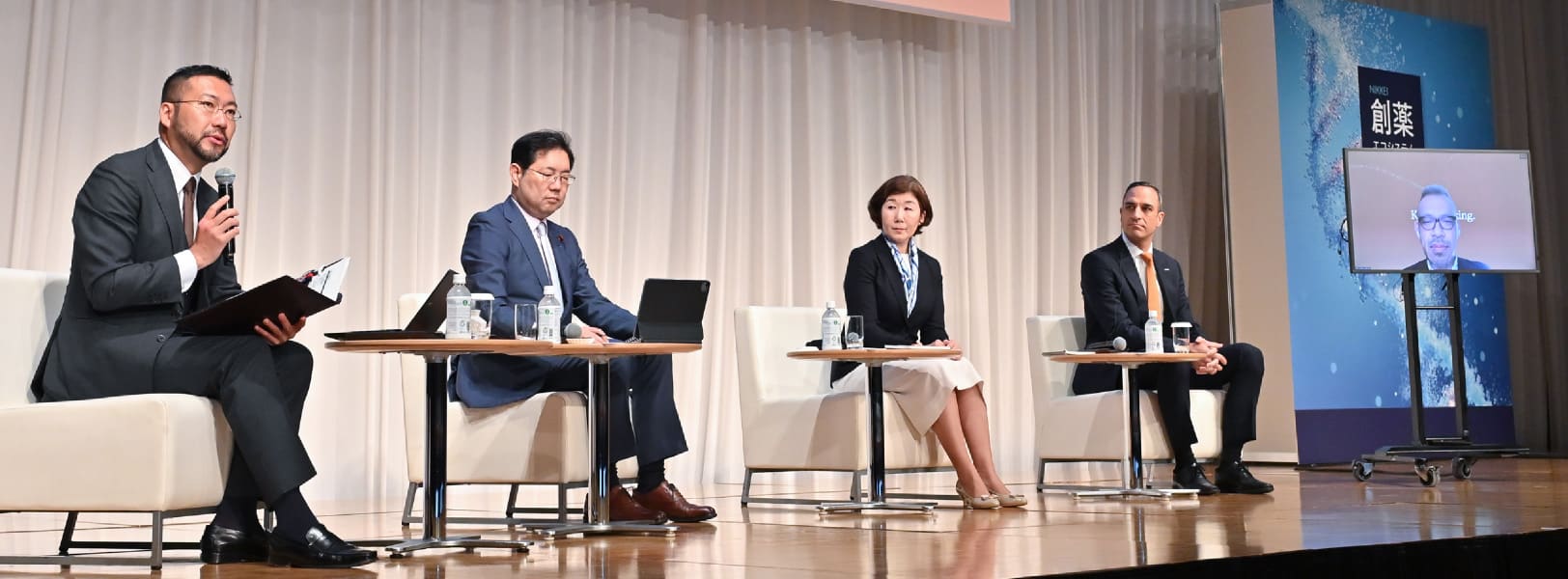
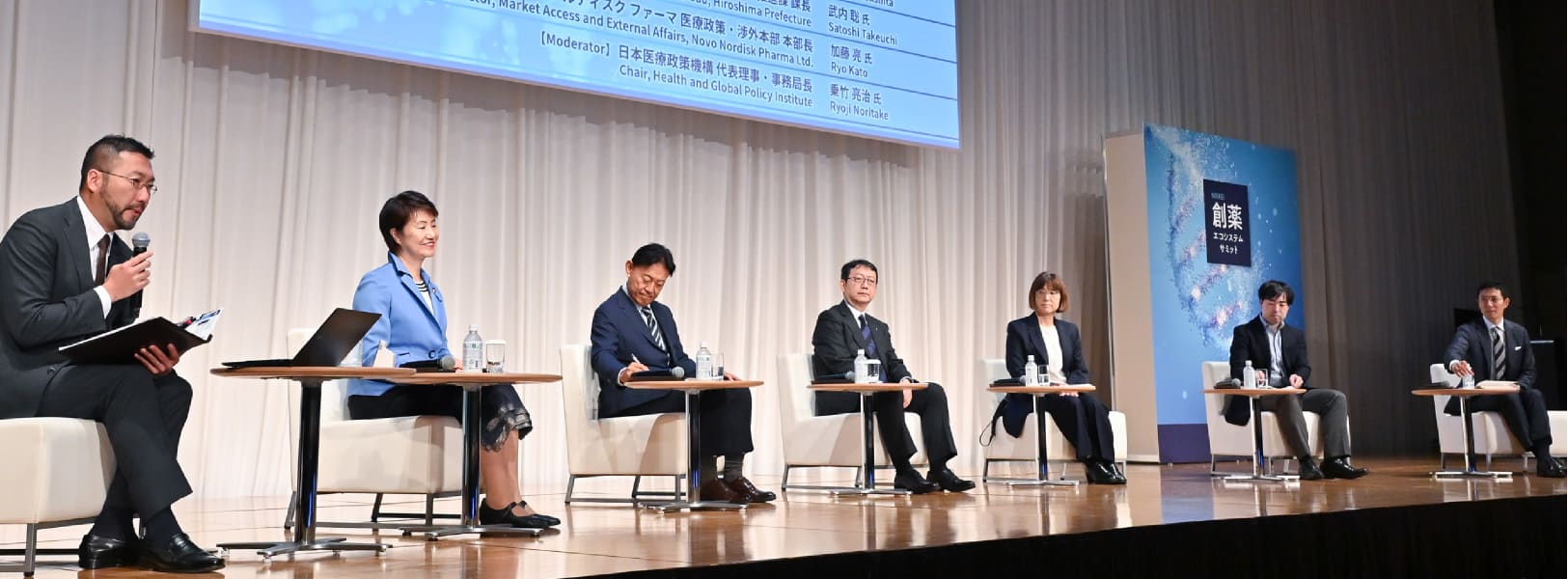
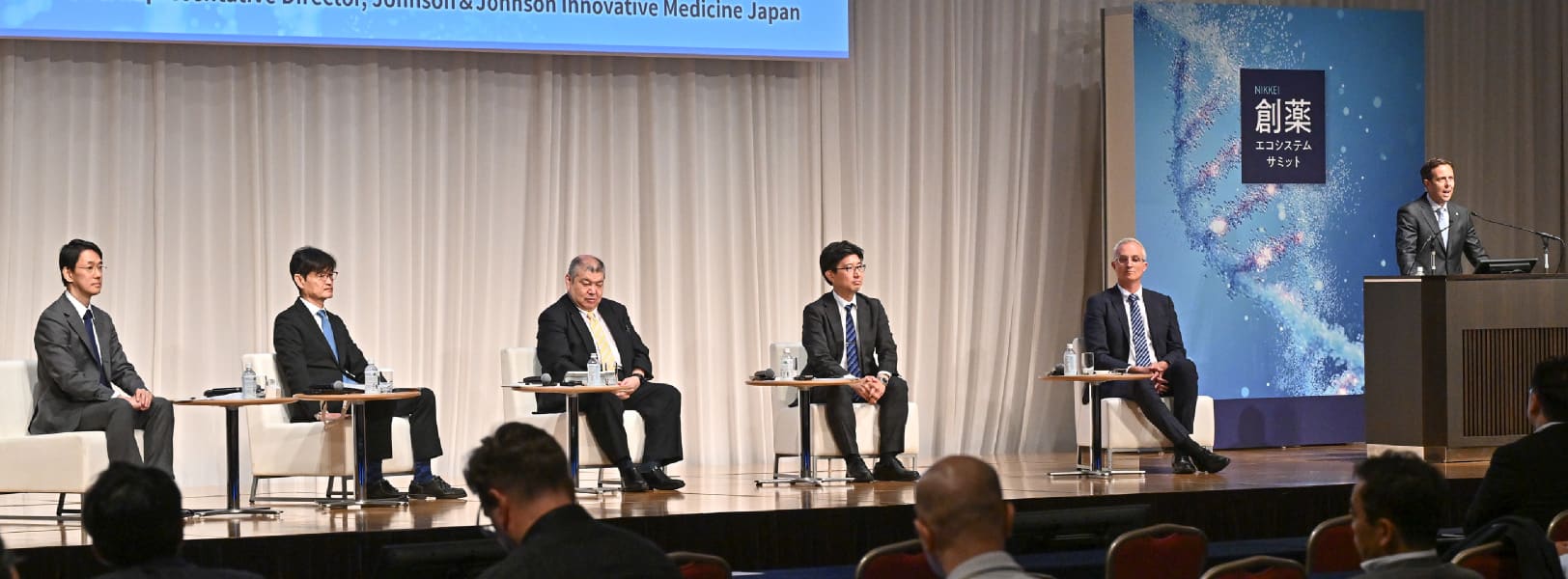
“Ensuring Sustainable Access to Innovative Medicines in Japan”
Masahiro Mori
Assistant Minister for Pharmaceutical Industry Promotion & Healthcare DX, Ministry of Health, Labour & Welfare (MHLW)
Takanori Teshima
M.D., Ph.D., Professor, Department of Hematology, Hokkaido University Faculty of Medicine
Hiroyuki Kawabata
Deputy Japan Representative, PhRMA
Christopher Rieger
President & Representative Director, Johnson & Johnson Innovative Medicine Japan
Nathan Walters
VP, therapeutic area market access lead, oncology, Johnson & Johnson Innovative Medicine
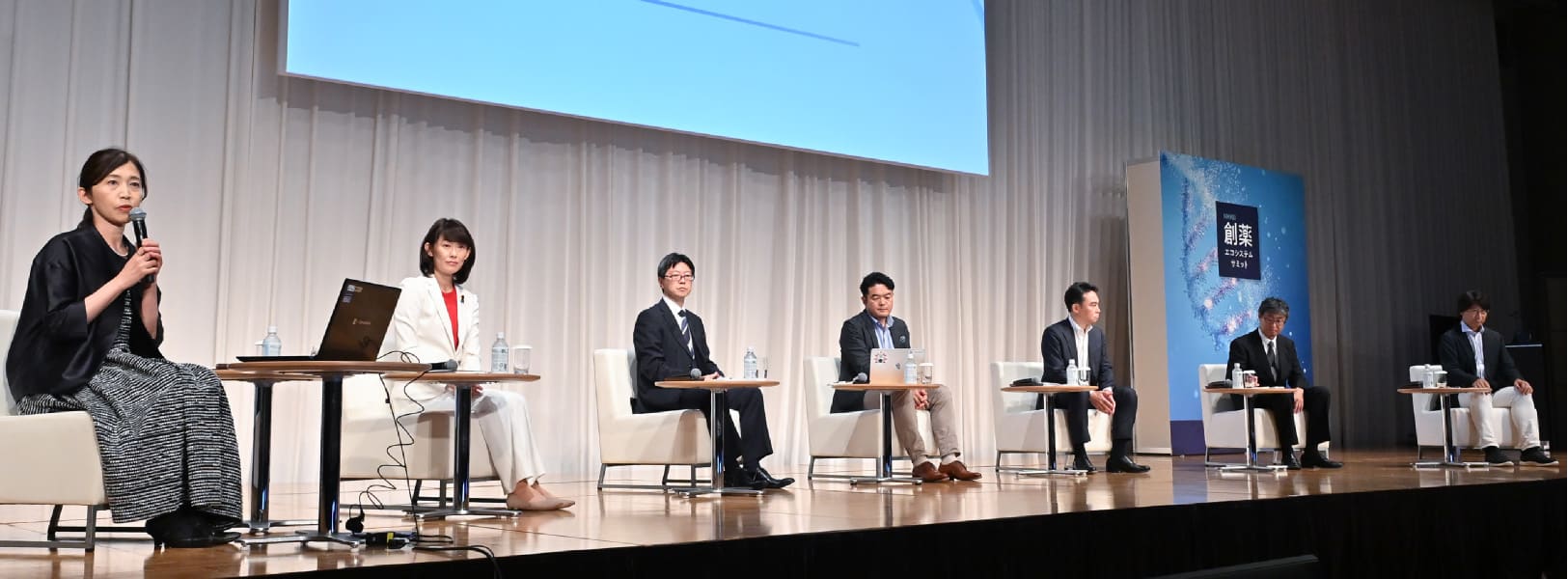
<Moderator>
Hiroaki Tsukada
Senior Director, Head of Government Affairs and Policy, Japan & Asia Pacific, Johnson & Johnson Innovative Medicine Japan
Innovation is accelerating in areas such as oncology, regenerative medicine and precision therapies, creating new opportunities to improve patient outcomes. Japan has a strong legacy of scientific excellence but systemic challenges, including structural pricing constraints, risk limiting patient access to some breakthrough medicines and reducing Japan’s attractiveness as a destination for future healthcare investment. An innovative CAR-T cell therapy illustrates this drug-loss challenge: despite its transformative potential for patients, having already benefited more than 10,000 patients worldwide, and availability in 15 countries, including United States and Germany, it has not yet reached patients in Japan. There is a need for a more flexible, forward-looking approach that appropriately recognizes the value of innovative therapies, supports timely patient access, and strengthens Japan’s position as a global leader in life sciences and healthcare innovation. The Takaichi government has recently identified drug discovery and advanced healthcare as strategic growth sectors. To accomplish its goal, it is critical that Japan acts now and makes the shift from targets to implementation that delivers positive outcomes for Japanese patients.
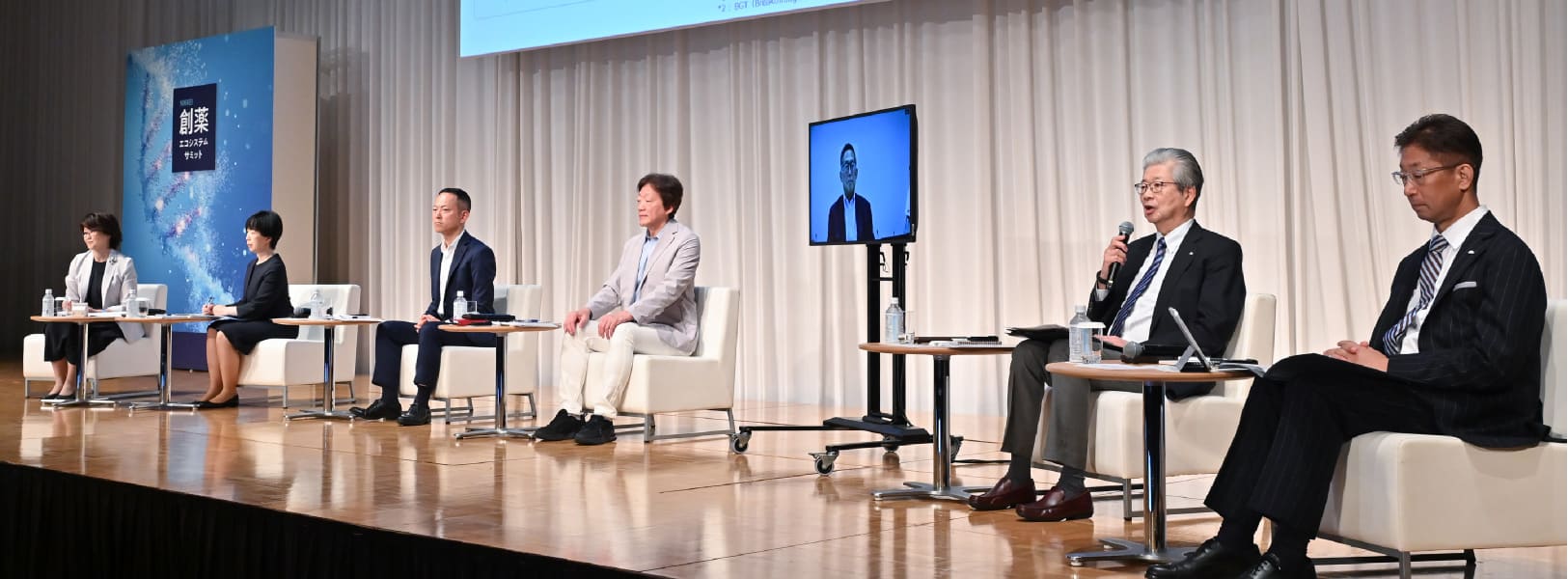
“Recruitment & Development”
Kanae Kurata
Director, Life Sciences Division, Research Promotion Bureau, Ministry of Education, Culture, Sports, Science and Technology (MEXT)
Tomohiro Anzai
Managing Partner, Fast Track Initiative, Inc.
Akihiko Soyama
Executive Producer and General Ambassador, MEDISO
Yasuhiro Fujiwara
M.D., Ph.D., Chief Executive, Pharmaceuticals and Medical Devices Agency
Sunao Manabe
Senior Advisor, Daiichi Sankyo Co., Ltd.
Takashi Kaminagayoshi
Head of Biotherapeutic Process Development Japan, Pharmaceutical Sciences, R&D, Takeda Pharmaceutical Co., Ltd.
<Moderator>
Kai Nishimura
President/Chief Executive Officer Publisher Nikkei Science Inc.
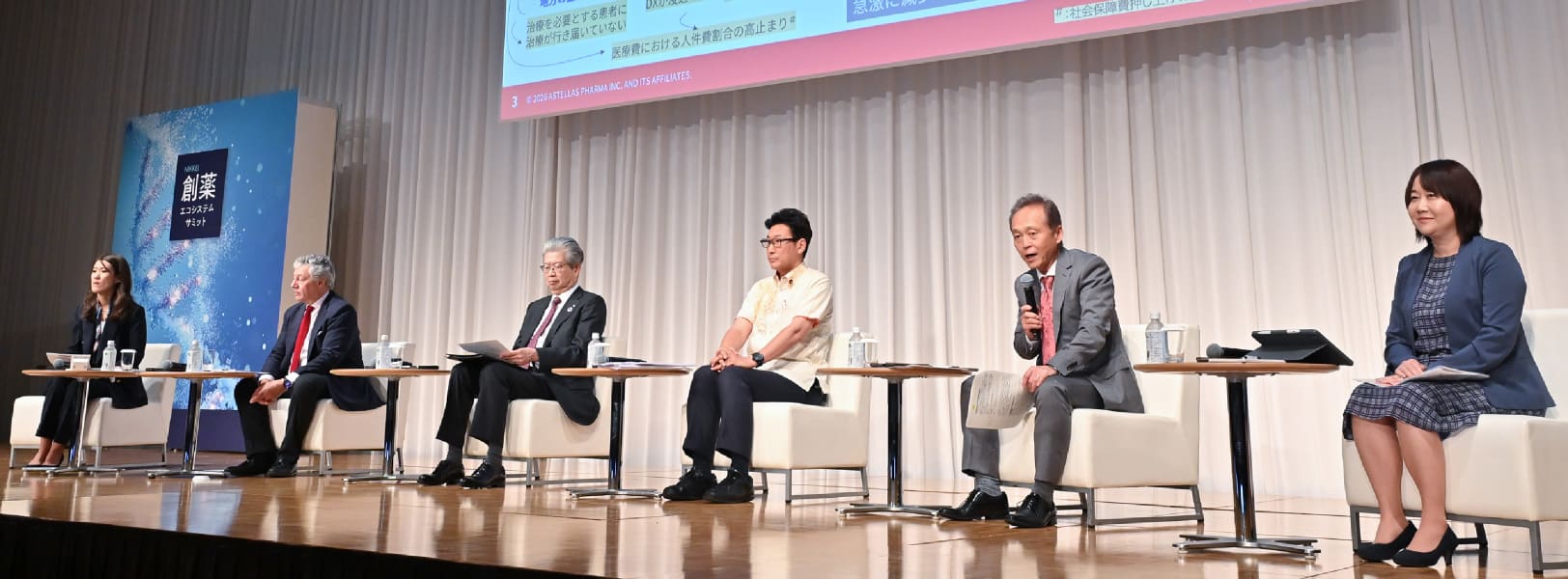
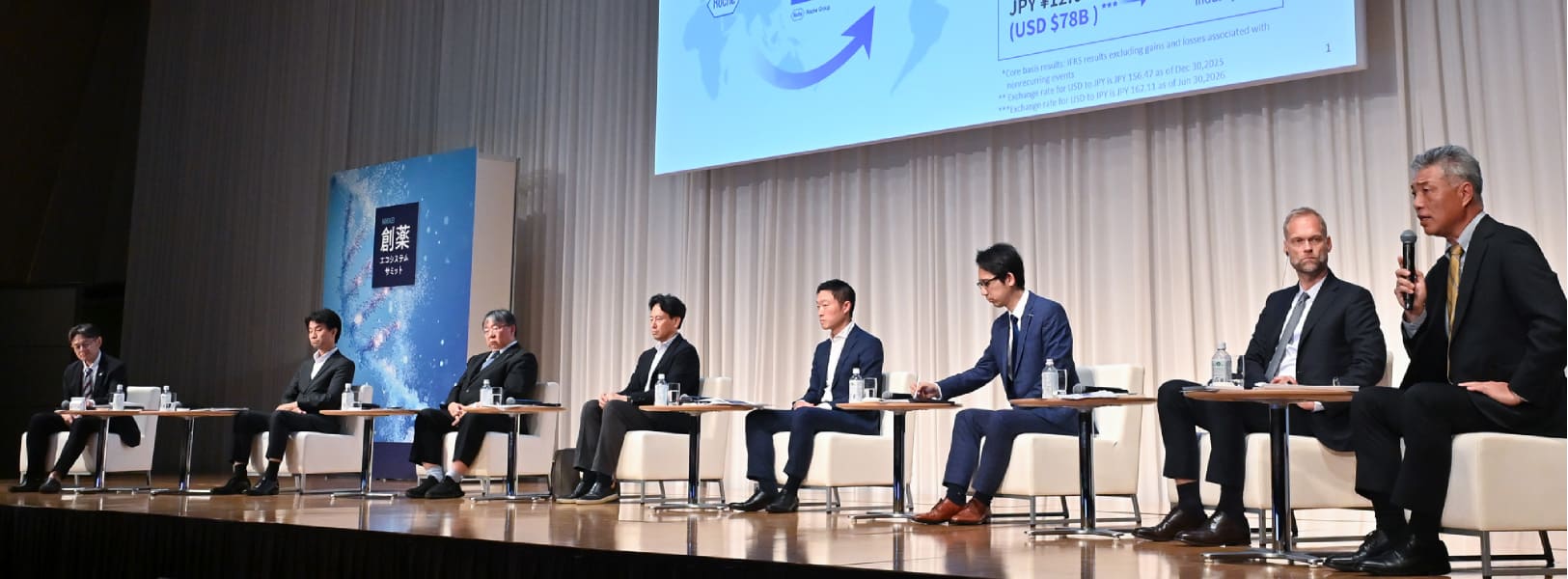
“Drug discovery research is becoming increasingly sophisticated. We need talent from diverse fields, including pharmaceutical sciences, engineering, life sciences, data science and equipment engineering. The challenge is how to develop this talent and connect it across the value chain from drug discovery to manufacturing,” noted Takashi Kaminagayoshi. MEXT mentioned that the government has recently been discussing what kind of people biopharmaceutical companies are looking for. “It’s important to clarify exactly what the skill and talent shortages are before setting new goals,” noted MEXT’s Kanae Kurata. Some aspects of formal education may require updating: most pharmacology courses aim to produce pharmacists, not people ready to get to grips with the realities of biopharma manufacturing.
The challenges are not limited to formal education. In a global world, funds flow to the most conducive environment, and Japanese startups “have a completely different corporate OS,” with relatively weak management and corporate governance, according to Tomohiro Anzai, whose VC provides mentoring and entrepreneur-in-residence schemes, as well as bringing foreign talent into Japan and vice-versa. Yasuhiro Fujiwara saw a lack of cultural exchange as one cause of Japan’s underperformance in the talent war. “You must participate in workshops and clinical trials overseas to properly understand global standards,” he said. For Sunao Manabe, meanwhile, a shortage of DX and AI talent was one workforce bottleneck. “People with both drug discovery expertise and DX and AI skills are not readily available,” he said. Akihiko Soyama’s idea that “orchestrators” — managers capable of managing multi-year drug development projects smoothly and installing talented people able to meet the as-yet-unknown challenges of the future as well as those of today — resonated with all the other panelists.
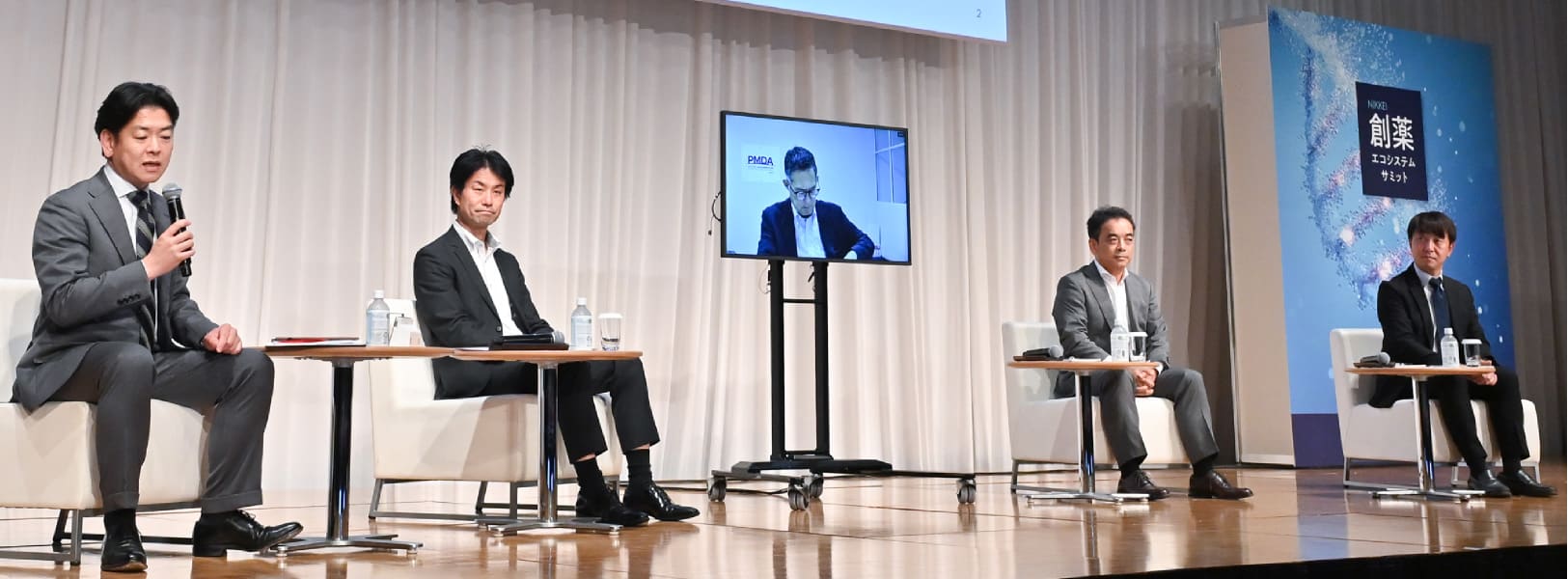
“Future of the Pharma R&D: Defining Japan's Winning Formula”
Hirokazu Shimoda
Japan Agency for Medical Research and Development
Yasuhiro Fujiwara
M.D., Ph.D., Chief Executive, Pharmaceuticals and Medical Devices Agency
Hide Goto
Ph.D., Head, Open Innovation Management / Vice President, Astellas Pharma Inc.
Takao Suzuki
Head of Digital Transformation Unit, Associate Vice President, Chugai Pharmaceutical Co., Ltd.
<Moderator>
Kotaro Funato
M.D., Ph.D., Health Industries Advisory / Managing Director, PwC Consulting LLC
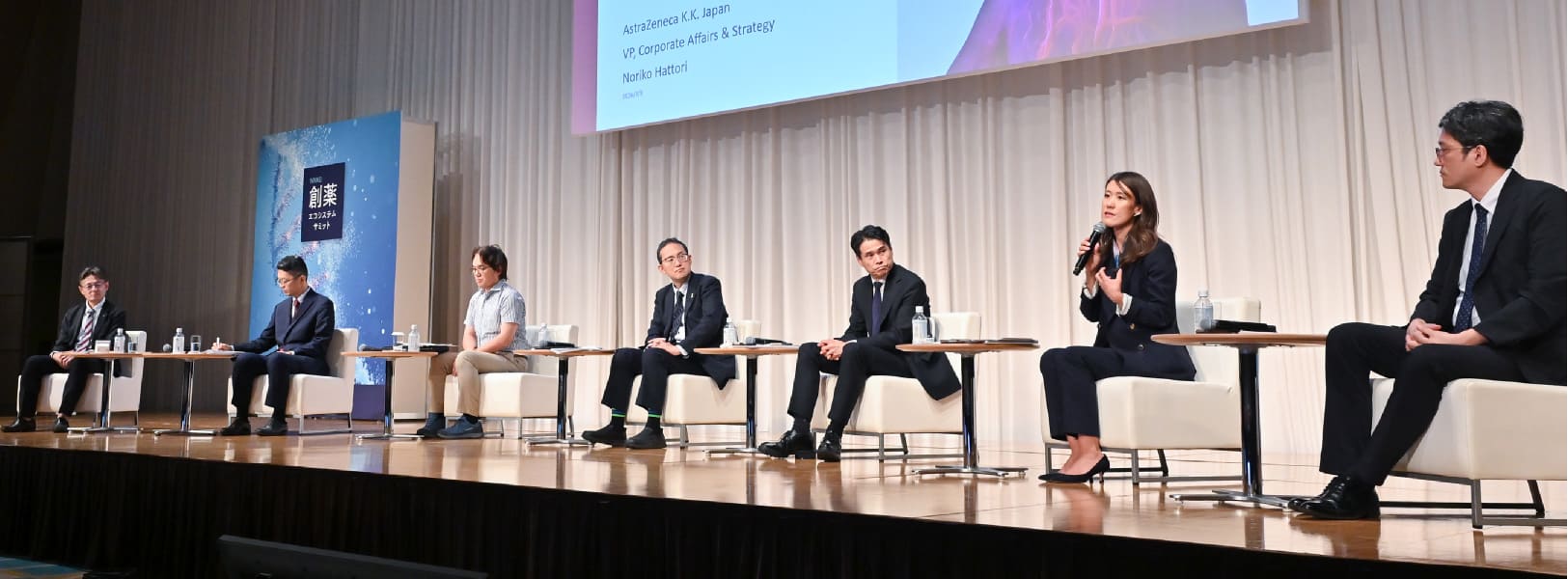
In the 1980s, Japan accounted for nearly one-third of the world’s newly approved drugs. Since then, however, pharmaceutical innovation has shifted toward increasingly diverse and sophisticated modalities, and Japan’s position in global drug discovery has weakened significantly. The challenge is also reflected in ecosystem rankings, where even Tokyo, Japan’s leading life-science hub, places only 25th globally.
The discussion highlighted a fundamental shift in how innovation is created. Today, innovation is increasingly driven by startups and emerging biotech companies. As a result, competitive advantage depends less on individual organizations and more on the strength of the innovation ecosystem. In Japan’s case, government support for startups and private-sector initiatives, such as Astellas’ open innovation hub in Tsukuba, are part of this transition.
AI was identified as another potential catalyst for change, augmenting rather than replacing researchers. As drug discovery grows more complex, Japan’s winning formula will require stronger collaboration across industry, academia and government, while drawing on external capabilities such as AI, global capital and international management expertise. By combining these resources with its scientific strengths, Japan can define a winning formula for competing in the next era of pharmaceutical innovation.
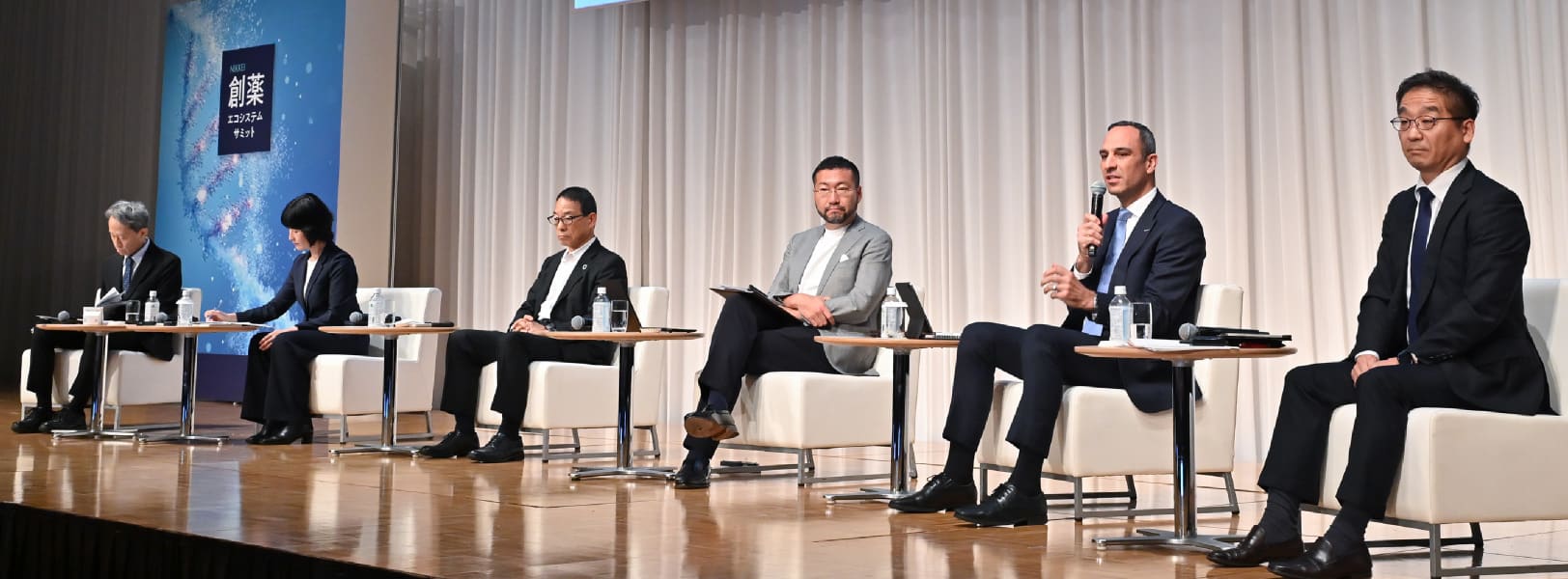
“National Security”
Yukako Hinohara
Counsellor, National Healthcare Policy Secretariat, Cabinet Office
Hideaki Hanaki
Project Professor, The Ōmura Satoshi Memorial Institute, Kitasato University / Project Professor, Ōmura Memorial Research Flotilla for Microbial Resources, Association for University Alliance Yamanashi
Ryoji Noritake
Chair, Health and Global Policy Institute
John Paul Pullicino
Chair, European Federation of Pharmaceutical Industries and Associations Japan (EFPIA Japan)
Mitsuhiko Ida
Head of Policy, Communications and Community Engagement, Pfizer Japan Inc.
<Moderator>
Kiyoshi Ando
Senior Staff Writer, Nikkei Inc.
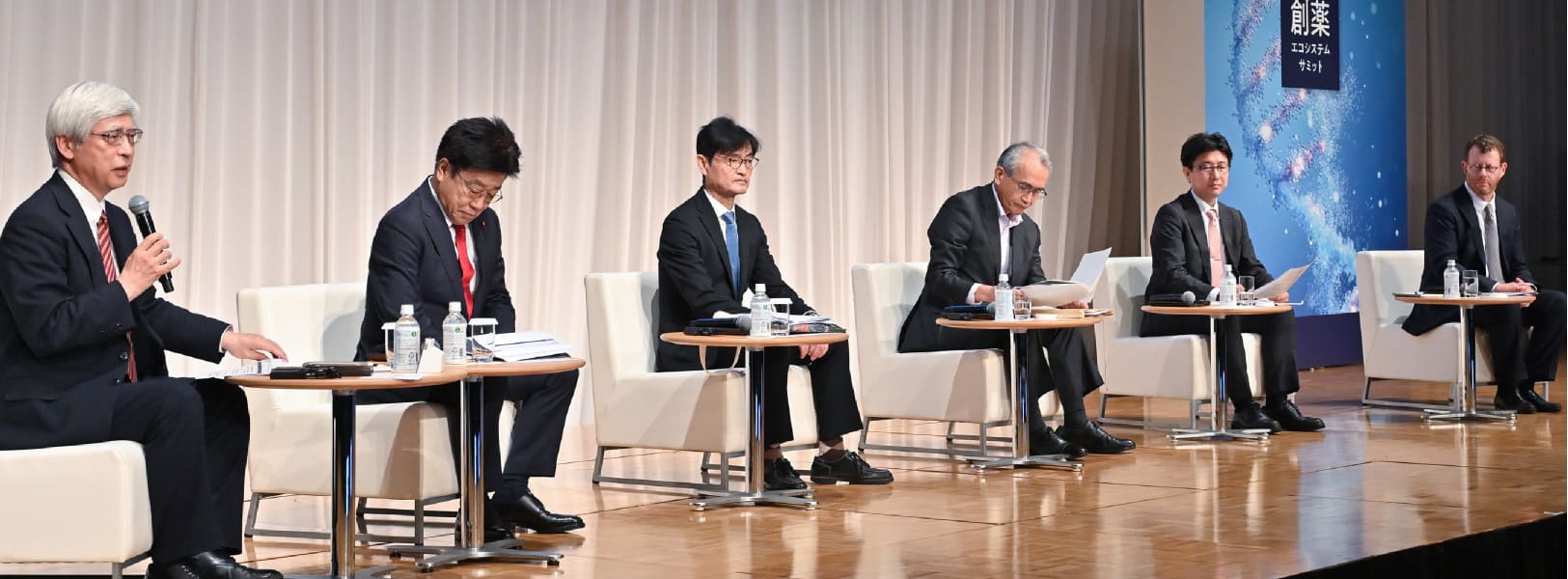
The Japanese government’s focus on health security has intensified over the last decade, with an increasing number of therapies now designated as essential. Dependency on other countries for materials is a clear security risk, with anti-microbials a case in point. “Only 3% are produced domestically; the rest are imported from China,” noted Hideaki Hanaki. China has already achieved overwhelming global market share in multiple fields such as shipbuilding and batteries. “When one country holds a large minority of global supply, the issue is discussed as overcapacity. Once that share becomes a clear majority, the same trend is discussed as an economic security problem,” commented Mitsuhiko Ida, pointing out that biopharma was a strategic sector in the Made in China 2025 plan. Japan should retain competency with pull-type incentives, but no country can do it alone: “Like-minded nations need a coordinated response, as the G7 did on critical minerals.“
As geopolitical and pandemic risks rise, discovery capability and the capacity to supply patients with innovative medicines are at the heart of national security. “It’s a connected ecosystem,” said John Paul Pullicino. “You need resilient supply systems integrated into the global healthcare ecosystem, including local manufacturing capabilities.” But innovation takes time and investment. Japan needs to appropriately recognize the value of innovative medicines. This will become increasingly important in reducing the risk of drug loss and addressing emerging global policy challenges, including the potential implications of MFN. According to Yukako Hinohara, the narrative the government wants to communicate is that valuing innovation means longer, healthier lives for the citizenry and increased productivity, growth and investment. So why not see MFN as an opportunity rather than just a risk? “Japan's universal coverage and fast listing are real assets, but they only pay off if Japan pays for innovation," Mitsuhiko Ida said.
AI, where the United States and China dominate, presents another security challenge. With AI sovereignty likely out of reach, Japan should build alliances. “Like-minded nations should work together on clinical trials, medical data and healthcare data,” said Ryoji Noritake.
“Unlocking the power of industry to drive Japan’s new drug discovery ecosystem”
Tamayo Marukawa
Member of the House of Representatives
Hiroya Hirose
Director, Bio-Industry Division, Commerce and Service Industry Policy Group, Ministry of Economy, Trade and Industry
Tomoyoshi Koyanagi
Director of Business Development, Program-Specific Professor, Institute for Advancement of Clinical and Translational Science, Kyoto University Hospital
Yoshitsugu Shitaka
President & CEO, RealizeEdge Partners
Jun Kusunoki
External Scientific Innovation Asia Pacific, Senior Director, Japan Country Lead, Johnson & Johnson
Yoshinori Ikeura
Representative Director, President & CEO, Axcelead, Inc.
<Moderator>
Yasuko Terao
Chairperson, Innovation Promotion Subcommittee, Japan Pharmaceutical Manufacturers Association
As drug discovery continues its structural transformation, Japan must rebalance its ecosystem to stay relevant. The bottleneck at present is translation — getting innovation to patients. As a major step toward resolving this issue, Japan’s Agency for Medical Research and Development (AMED) and Japan Pharmaceutical Manufacturers Association (JPMA) have launched the AMED IND Engine (AND-E), to “align the vectors” for academic research and commercialization of investigational new drugs (INDs).
Another issue is that the majority of Japan’s biomedical R&D is dependent on outsourcing in some way. This situation must be improved through targeted investments in domestic infrastructure, kicking off a virtuous cycle of value creating value.
Japan is far less friendly to would-be entrepreneurs than Europe or the United States. To encourage freer movement of human capital to where it can create the most value, the country must reduce the potential downsides, perhaps through some kind of safety net. To make room for the individual ingenuity that animates start-ups, society as a whole must change.
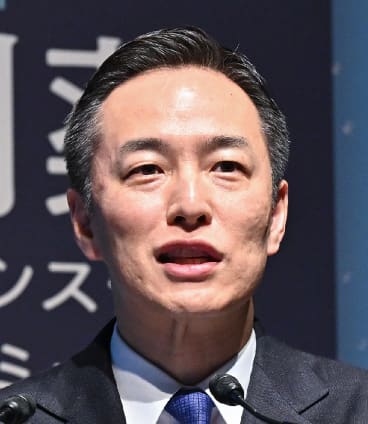
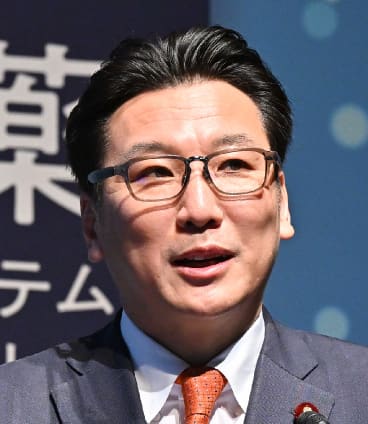
Hideki Murai
Hideki Murai
Former Deputy Chief Cabinet Secretary, Member of the House of Representatives
As chairperson of the government panel set up in 2023 to address drug loss, drug lag and related issues, I was the original instigator of the first Nikkei Drug Discovery Ecosystem Summit in 2025. I am delighted to see that it continues to host in-depth discussions and bring industry players together. Drug discovery touches two of the strategic fields in the recently released outline of Japan’s growth strategy, and great progress has already been made, including 75 approvals for treatments for rare illnesses over the past two years alone. I am confident that these positive trends will continue.
NIKKEI Drug Discovery Startup Pitch – Finalist Presentations
WINNER
“Visible” Cancer Radiotherapeutics to Save Incurable Patients’ Lives
Yukie Yoshii
CEO, LinqMed
LinqMed’s innovative cancer treatment combines therapy and diagnostics into a “theranostic” approach. The technology uses the copper radioisotope 64Cu, which emits both beta particles for radiotherapy and positrons for PET imaging. The company’s 64Cu-ATSM treatment for brain cancer is currently in Phase III trials in Japan. LinqMed has also developed manufacturing facilities for producing 64Cu in the necessary quantities and at the necessary purity, a business model that ensures stability of supply and can be replicated in other countries.
FINALISTS
From “Replacing” to “Regenerating” Joints: A Lifetime of Mobility with iPS-Derived Cartilage
Tomohiro Oiwa
CEO, Arktus Therapeutics Co., Ltd.
Artificial joints have lifespan limitations and put patients at risk of infection. Arktus Therapeutics combines iPS-derived mesenchymal stem cells (iMSC) and 3D printing to create new joints with the patient’s own genetic profile. Market scale and automation could help this therapy break through the “industrialization wall” typically faced by regenerative medicine.
Axon to Brain: A Novel Peripheral Nerve Route for CNS Drug Delivery and Neurological Therapeutic Discovery
Jiro Kawada
Representative Director, Jiksak Bioengineering, Inc.
Delivering drugs across the blood-brain barrier is challenging. Jiksak Bioengineering has developed a delivery system in which drugs injected into the bloodstream enter the peripheral nervous system and then the brain. This platform could support many therapies and modalities, including those targeting conditions like Alzheimer’s Disease and Parkinson’s Disease.
First-in-Class Lipid-Lowering Drug PRD001
Kanji Hosoda
CEO, PRD Therapeutics
Homozygous familial hypercholesterolemia (HoFH) is a genetic disorder that affects the liver’s ability to remove LDL-C (“bad”) cholesterol from the bloodstream. This can result in arteriosclerosis and cardiovascular disease even in very young children. PRD Therapeutics’ PRD001 is a SOAT2/PCSK9 dual inhibitor superior to competing treatments in effectiveness, safety, utility and cost.
First-in-Class Anti-Cancer Therapy Targeting the Anti-Oxidative System
Yuji Otsuki
CEO, FerroptoCure Inc.
The heightened anti-oxidative defense systems of cancer cells contribute to treatment resistance and worsen outcomes for cancer patients. FerroptoCure’s next-generation therapy targets the anti-oxidative system directly. This first-in-class approach is expected to be applicable to a wide range of cancers, capturing a significant market globally.
Unlocking the Full Potential of Boron Neutron Capture Therapy (BNCT) with a Boron Nanomedicine Platform
Masatoshi Chiba
CEO, RadioNano Therapeutics
Boron Neutron Capture Therapy (BNCT) closely targets cancer cells with relatively few side effects. RadioNano Therapeutics’ RN-501 uses inorganic nanoparticles packed with 10B, broadening its applicability to more types of cancers. A single dose can not only eliminate tumors but also prime the immune system to prevent relapse.
Pioneering Vision Restoration
Yusaku Katada
CEO, Restore Vision, Inc.
Restore Vision’s RV-001 is an optogenetic gene therapy that can restore vision in those who have suffered photoreceptor loss due to retinitis pigmentosa. With a single intravitreal injection, the treatment causes chimeric rhodopsins to be expressed in interneurons, restoring vision without retinal supply or special devices.
HiSAP’s Potential for Novel Drug Development
Eiji Shinohara
CEO, Head of Administration Department, Alchemedicine Inc
HiSAP is a medicinal chemistry platform that analyzes novel compounds with a known problematic component and identifies alternatives that resolve the issue, like an alchemist turning lead into gold. The platform reduces the need for expensive trials and has already achieved a 92% success rate.